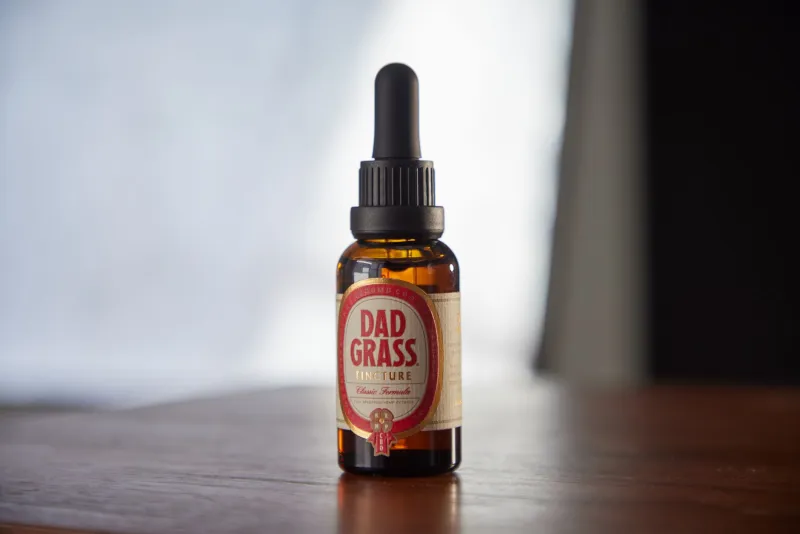
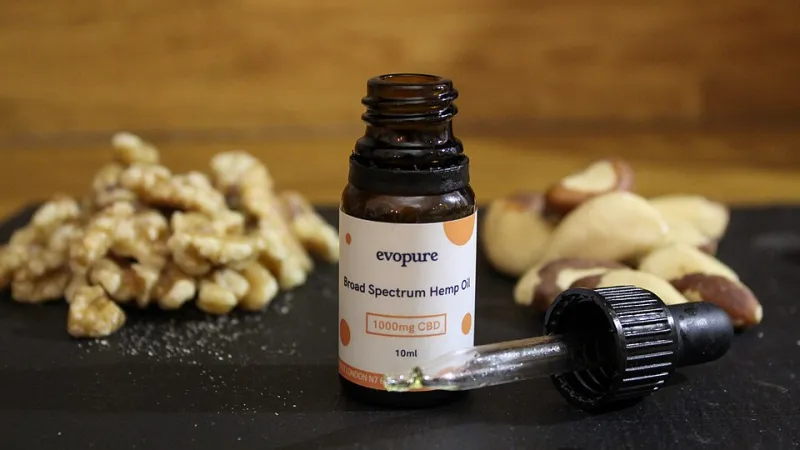
The Breakfast Table Bottle Test: 25 UK CBD Oils, One Stopwatch, and the Caps That Almost Won
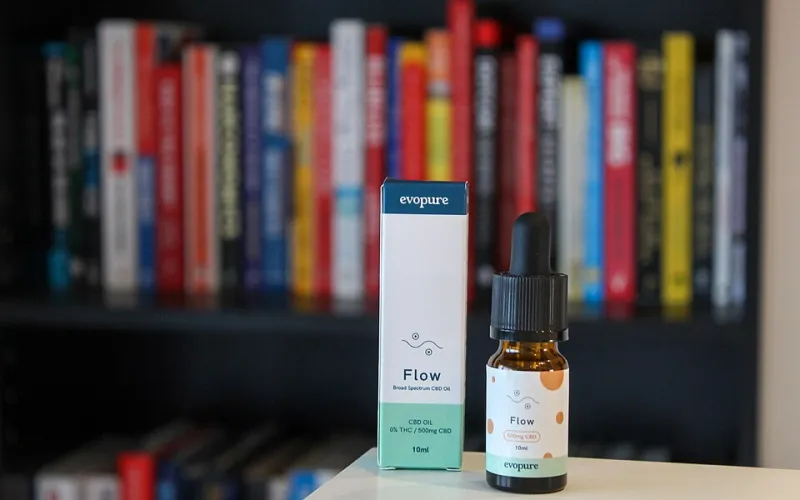
Photo: Evopure, CC BY-SA 2.0, via Wikimedia Commons
A CBD oil bottle has a boring job until someone in the house has arthritis, a toddler, or both. Then the cap becomes the whole experience. If it takes two hands, a tea towel and a small prayer to open, you will use it less. If it clicks shut after one twist, you will trust it more. And if the label says nothing useful about where to keep it, you are left guessing.
For this test, we ordered 25 CBD oils sold to UK shoppers and put each bottle through a simple breakfast-table routine. No lab equipment. No dramatic claims. Just a stopwatch, a notebook and a growing suspicion that “child-resistant” means very different things depending on who made the bottle.
Why the cap deserves more attention
CBD oils are not sweets, and they should not be treated like a condiment. Most UK CBD products are sold as food supplements rather than medicines, but that does not make them a free-for-all on the kitchen counter. A bottle with a bright label and a dropper can look inviting to a child. The cap is the first line of defence, but only if adults can actually use it properly.
That is the awkward bit. A cap that is too fiddly gets left loose. A cap that is too easy may not be child-resistant at all. The sweet spot is a closure that an adult can open without a struggle, then re-seal with a clear click every single time. In a shared household, that matters more than a fancy box.
How we tested
We gave each bottle the same basic workout. First, an adult opened it cold — no running the cap under hot water, no prizing with a spoon. We timed that first open. Then we closed and reopened each bottle ten times to see whether the cap still lined up, clicked and stayed put. We also checked for leaks by tipping each sealed bottle gently on its side for a minute. Finally, we read the label for storage instructions: keep out of reach of children, store below a certain temperature, protect from light, use within a set period after opening, and so on.
This was not a safety certification test. We are not saying any bottle is childproof. No packaging is. What we wanted was a practical picture of how these bottles behave after the first novelty wears off.
The quick-open crowd
A handful of bottles were genuinely easy to live with. The best designs used a push-and-turn cap that engaged cleanly, clicked audibly when closed and did not need a second go. One amber glass bottle opened in under three seconds on the first attempt and stayed consistent after ten cycles. Another used a slightly larger cap with deeper ridges, which made a real difference for anyone with weaker grip.
These were not necessarily the most expensive oils. That is worth saying plainly: a premium price tag does not guarantee a premium closure. We found £12 bottles that behaved better than £40 ones.
The ones that fought back
The problem bottles fell into three groups.
- The phantom click. The cap felt closed but was not. A gentle tip produced a smear of oil on the kitchen roll. Not a flood, but enough to make you wonder how often it had happened before.
- The two-hand twist. These caps needed so much downward pressure that opening them felt like a separate task. One tester with mild joint pain gave up and asked someone else. That is not a great sign for daily use.
- The loose-after-ten club. The cap worked beautifully on day one, then became vague and wobbly after repeated opening. If a bottle is going to be used twice a day for a month, that matters.
We also found labels that were technically fine but practically useless. “Store in a cool, dry place” is not much help when the bottle is sitting beside the toaster. “Keep out of reach of children” is essential, but it should be easy to spot, not buried in six-point type under the batch number.
What the label should tell you
A good CBD oil label does not need to be a safety manual, but it should answer a few basic questions before you buy. Where should the bottle live? Does it need to stay upright? Should it be kept away from heat or direct sunlight? Is there a use-by window after opening? And is the child warning visible without putting on reading glasses?
In our sample, the clearest labels put storage and child warnings together in a small panel, usually on the side or back. The weakest ones scattered the information across the box, the bottle and a leaflet that went straight into the recycling. If you are buying online, zoom in on the product images before checkout. If the label is unreadable on the listing, that is already a small red flag.
The shared-household checklist
Before you buy a CBD oil for a home with children, elderly relatives or clumsy flatmates, run through this list:
- Look for a proper child-resistant closure. Push-and-turn caps are common, but the proof is in the repeated use, not the product photo.
- Check the cap after every close. Listen for the click. Give it a gentle tug. Do not assume.
- Store it high and out of sight. Child-resistant does not mean child-proof. A locked cupboard or high shelf is still the sensible move.
- Keep the original bottle. A pretty CBD oil in an unlabelled dropper bottle is an accident waiting to happen.
- Read the storage line before you open it. Heat, light and loose caps are not kind to oils.
- Buy for your hands, not just your taste. If you have grip issues, a wider cap with deeper ridges is worth more than a stylish minimalist bottle.
The bottom line
The best CBD oil packaging disappears into the routine: open, dose, click shut, put away. The worst packaging makes you dread the bottle and, worse, makes you careless with it. After 25 bottles, we would happily pay a little more for a cap that clicks cleanly every time and a label that tells the truth about storage.
Child-resistant packaging is not a guarantee, and no UK shopper should treat it as one. But it is a useful signal. If a brand cannot get the cap right, ask yourself what else it has rushed. And if you are buying for a shared household, put the bottle through your own ten-open test before it becomes part of the morning routine.