Fifteen Tills, One Question: What High Street CBD Staff Told Us About a First Bottle
There is a particular look that crosses a shop assistant’s face when you ask a simple question about CBD. It is part helpfulness, part hesitation, and part quiet hope that you will not ask for a diagnosis. Over several weeks in 2026, we took the same beginner question to 15 UK high street stockists — independent health shops, pharmacy counters, CBD kiosks and a few general retailers with a CBD shelf — and wrote down what happened.
The question was deliberately plain: ‘I’ve never taken CBD. How do I pick a first oil, and how do I read this label?’ No brand names, no price prompts, no mention of the FSA list. Just a shopper at a till.
This was not a sting. Staff were not named, and no shop is identified below. The point was to see where useful high street guidance ends and where a confident guess begins — and whether the bottle in your hand backs up the chat at the counter.
What we were actually comparing
In each shop we noted four things: whether staff asked any follow-up questions, what they said about strength and serving size, whether they mentioned the FSA novel foods list, and whether the product label made the dose easy to work out.
We also looked at the shelf labels and packaging on display, where staff allowed it. That mattered. A good answer at the till is only half the job; the label still has to tell you what to do when you get home.
The towns ranged from a Devon market town to a Glasgow suburb, with stops in Cardiff, Leeds, Norwich, Belfast and a handful of London boroughs. The shops ranged from polished CBD-only counters to a pharmacy where the CBD was kept behind the till like a slightly embarrassing secret.
The good news: some staff ask before they sell
The strongest conversations started with a question back. ‘Are you on any medication?’ ‘What are you hoping it helps with?’ ‘Have you tried CBD before?’ One independent health shop in the north of England was excellent: the assistant explained that CBD is not a medicine, said they could not promise anything, and pointed to the lowest-strength oil on the shelf rather than the prettiest bottle.
Another pharmacy assistant in South Wales did something even simpler. They turned the bottle around, found the serving suggestion, and said: ‘Read this bit before you buy it. If you can’t work out how much CBD is in one drop, don’t start with it.’ That is not clinical advice. It is just good retail sense.
A few staff also flagged the obvious but often skipped point: check with a GP or pharmacist if you take prescribed medication. No drama, no sales pitch. Just a sensible handbrake.
The mg/% muddle at the counter
This was the most common weak spot. When we asked how to choose a first oil, staff frequently answered in bottle strength rather than dose. ‘Start on 1000mg’ was said in several shops, as if 1000mg were a starting line rather than a total bottle size.
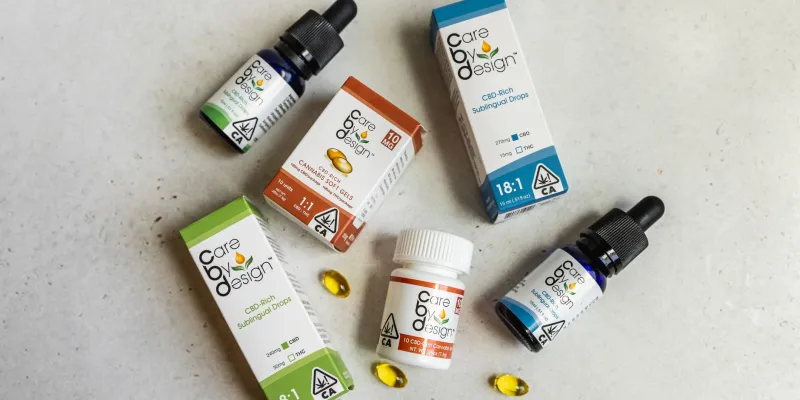
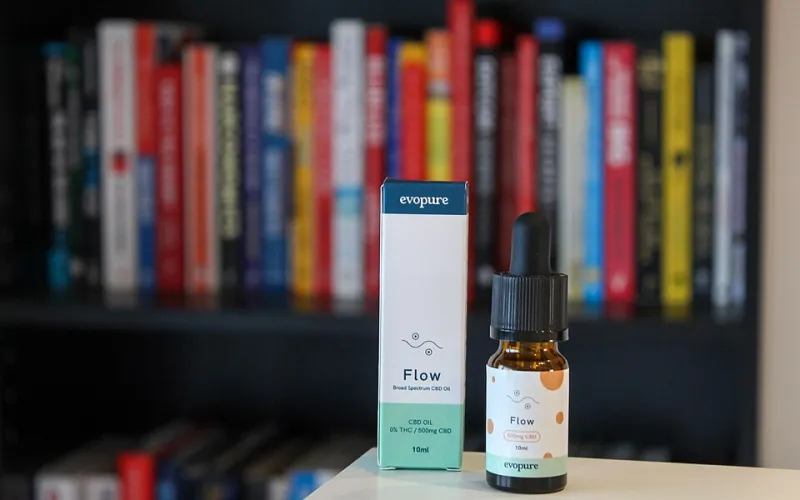
On the shelf, the same confusion was visible. One label shouted ‘10%’ on the front and ‘1000mg’ on the side. The serving suggestion said four drops. Nowhere did it say how much CBD was in a drop. Another bottle said ‘500mg’ in large type and ‘5%’ in small type, with a dropper marked only in millilitres. A shopper could easily leave thinking they had bought a ‘strong’ or ‘weak’ product without knowing what one squeeze actually contained.
Staff in three shops explained this well. They said to look for milligrams per millilitre, then work out how many drops or millilitres you are actually taking. Staff in six shops did not mention it at all. The rest gave a version of ‘just start with a drop’, which is friendly but not a dose.
The dropper does not come with a standard rulebook
We have written before about the dropper problem, and the high street has not solved it. In the shops we visited, serving suggestions ranged from ‘one drop’ to ‘a full dropper’ to ‘1ml twice daily’. Drop size varies by dropper, oil thickness and how hard you squeeze. A label that says ‘take two drops’ without saying how much CBD is in those drops is asking you to guess.
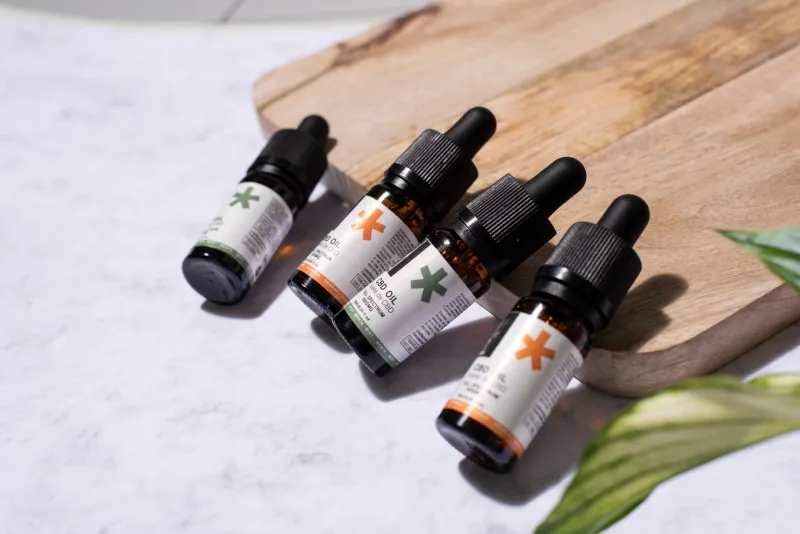
The best labels we saw did the maths for the shopper. They stated the CBD content per ml, the size of the dropper, and the amount per serving. The worst had a cheerful hemp leaf, a big number on the front, and a serving suggestion that amounted to ‘some’.
What staff knew about the FSA list
The FSA list is the register of CBD extracts and isolates that have a credible novel food application in the UK. It is not a quality score, and it is not a guarantee of potency. But it is a useful check when you are comparing products.
Only four of the 15 shops brought it up unprompted. When we asked directly, five staff members knew what we meant. Others said ‘all our products are legal’ or ‘it’s all regulated’. That may be true of the shop’s buying policy, but it is not the same as being able to point to a specific product on the list.
In fairness, this is not the sort of thing most shoppers ask at a till. But if a stockist is going to sell CBD as a specialist product, being able to explain the list — or at least where to find it — is basic label literacy.
Pharmacy, health shop, CBD counter: three different moods
Pharmacy staff were the most cautious and the least likely to recommend a specific bottle. That is not a criticism. They were also the most likely to ask about medication. Health shop staff varied wildly: some were excellent, some repeated the label’s marketing copy. CBD-only counters were the most confident, which was helpful when they knew their stock and less helpful when confidence ran ahead of the label.
The pattern was not about the type of shop. It was about whether the person at the till was willing to say ‘I don’t know’ and then read the bottle with you.
A three-question test for your next shop visit
If you are buying on the high street, ask these before you pay:
- How many milligrams of CBD are in one ml, and how many ml is one serving?
- Does this product appear on the FSA list, and can you show me where it says so?
- What is the batch or best-before date on this bottle?
A good stockist will not mind. A great one will turn the bottle around and answer from the label. A poor one will answer from the poster behind the till.
The high street can be a useful place to start a CBD conversation. It is a bad place to outsource your label reading. Zoom in on the bottle, not just the sales pitch — and if the numbers do not add up at the counter, they will not add up at home either.