Glass, Gum and Guesswork: What 20 CBD Bottles Taught Us About the Kerbside Bin
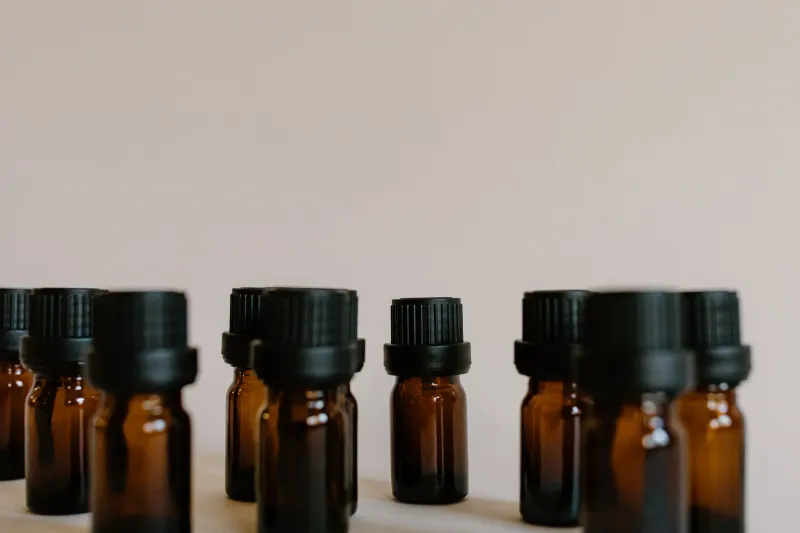
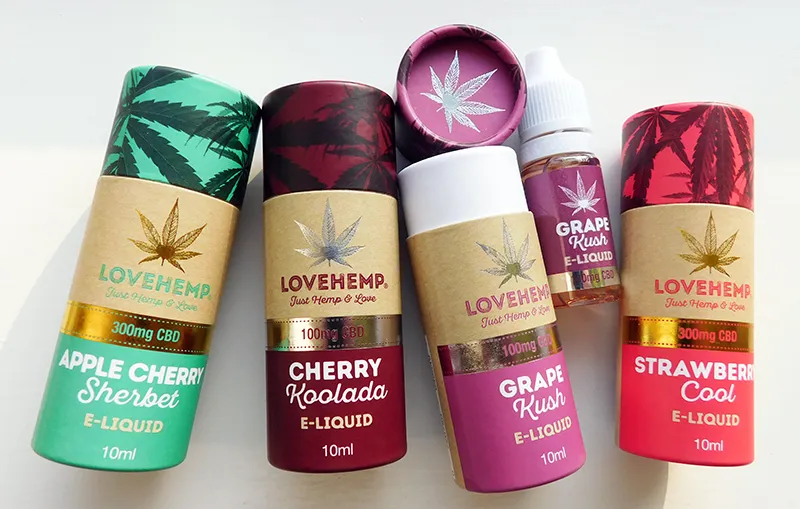
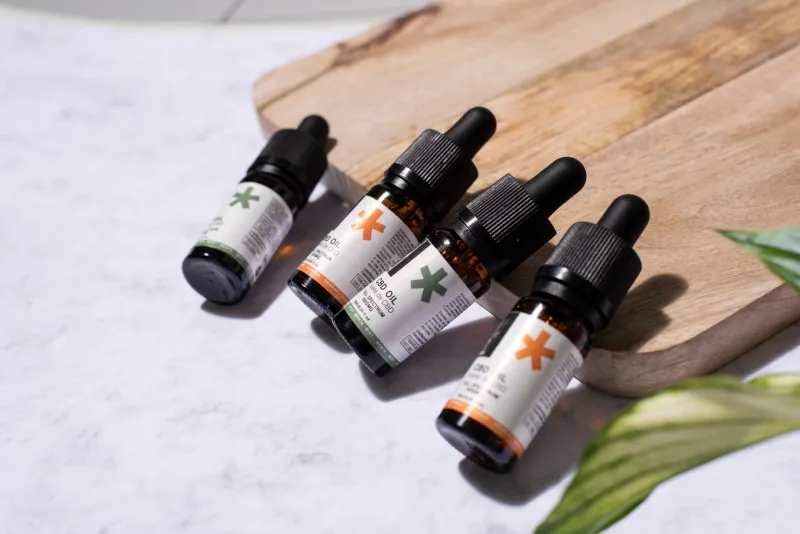
CBD bottles have a look that suggests virtue. Amber glass, a neat little dropper, a label with a leaf on it. You finish the oil, rinse the bottle, and feel like you have done the right thing. Then you look at the dropper, the cap, the tamper seal and the little carton, and the certainty drains away. So we bought 20 UK CBD oils, took them apart on a kitchen table, and tried to work out what a council would actually do with each piece.
How we ran the bin day audit
We ordered 20 oils from UK sellers between September and October 2026. Prices ran from £12 to £68, sizes from 10ml to 30ml, and the pack types included dropper bottles, spray bottles and one pump. We separated every bottle into glass, cap, dropper, label, tamper seal and outer carton. We then checked the published household recycling rules for 12 councils across England, Scotland, Wales and Northern Ireland, and cross-checked the materials against Recycle Now's guidance. We did not ring every waste authority in the country. Council rules are local, and the point of this audit was to see how often a reasonable shopper could work out the right bin without a degree in waste management.
The glass bottle is usually the easy part
Amber glass is not a special case. Where a council collects glass at the kerbside, a rinsed CBD bottle is normally treated like any other glass bottle or jar. The catch is that not every UK council collects glass from the doorstep. Some take it at a household waste recycling centre, some collect mixed glass, and some ask for bottles and jars only. If your council collects glass, rinse the bottle and shake it dry. A paper label can usually stay on. A plastic film label is better removed if it peels easily.
The cap is a small piece with a big split
Of the 20 bottles, 17 had plastic caps and three had aluminium screw caps. Plastic caps were the usual mix of HDPE and PP, often with a child-resistant mechanism. Council advice on caps is genuinely divided. Some say put the cap back on the bottle so it does not get lost in the sorting line. Others say take it off and put it in the general waste because small items fall through the machinery. We found no bottle that told us which route its cap should take. The safest approach is to check your own council page, because a blanket rule is not available.
The dropper is the plot twist
The dropper is where most CBD bottles stop being simple. A glass pipette with a rubber or silicone bulb is a mixed-material object. The glass tube may be recyclable in a glass collection if your council accepts it, but the bulb is not kerbside recyclable. Leaving the whole dropper in the bottle is the worst option, because it asks the sorting process to deal with two materials at once. Our advice is boring but practical: pull the dropper out, separate the glass tube if your council accepts small glass, and put the bulb in the general waste. If your council does not collect glass at the kerbside, the whole lot goes to the recycling centre or the black bin, depending on local rules.
Labels, seals and the wishcycling trap
Paper labels are usually fine on glass. Plastic labels and metallic foil are less welcome. Tamper seals were the quiet offender in our audit. Eleven bottles had a shrink sleeve around the cap, six had a foil or plastic inner seal under the cap, and three had both. Shrink sleeves are often PVC or PET and are not routinely accepted in kerbside recycling. Foil seals are small, mixed and easy to lose. Neither belongs in the glass stream. Peel them off and put them in the general waste unless your council specifically says otherwise.
The carton question
Nine of the 20 oils arrived in an outer cardboard carton. Seven were plain card and could go in the paper and card recycling once flattened. Two had a plastic window or a plastic insert, which meant the carton needed separating or, more realistically, went in the general waste. The cartons were the part most likely to carry a recycling symbol, and also the part most likely to be thrown away without a second thought. Flatten them, remove any plastic, and keep them dry.
Did any brand make disposal clear?
We scored each bottle on one simple question: did the pack or the product page tell us how to dispose of it? Two of the 20 had clear on-pack disposal icons and a website page that matched. Six had a general recycling symbol with no explanation. Twelve had nothing at all. That is not a scandal, but it is a gap. CBD sellers are happy to explain dosage, carrier oil and batch numbers. Disposal is still treated as an afterthought.
Refills and take-back in 2026
We contacted all 20 sellers to ask about refills, return schemes and take-back. Eleven replied. Three described something that qualified: one high-street chain said it would take back its own-brand bottles in store, one online seller offered a return-by-post scheme with a discount code, and one brand sold a refill pouch for a single product. None of those schemes was mentioned on the bottle itself. For a £15 bottle, posting it back for a small discount rarely makes sense. In-store take-back is the more promising model, but it depends on having a shop nearby.
What to do with your bottle tonight
Rinse the bottle. Remove the cap and check your council's rule on plastic caps. Pull out the dropper, put the bulb in the general waste and treat the glass tube according to local glass rules. Peel off any shrink sleeve or foil seal and bin it. Flatten the carton if it is plain card. If your council does not collect glass at the kerbside, take the bottle to a household waste recycling centre. And if you are unsure, use your council's online bin checker rather than guessing. Wishcycling, where we put something in the recycling bin hoping it will be dealt with, is not a neutral act. It can contaminate a load.
The bottom line
The CBD bottle is not one object. It is a glass vessel, a plastic cap, a mixed-material dropper, a label, a seal and sometimes a carton. Most of it can be recycled, but not all of it, and not in the same bin. The brands that made disposal clear were in the minority. The ones that did not were not being deceptive; they were simply leaving the shopper to work it out. A better bottle would use fewer materials and say more on the label. Until then, the bin day audit gives us a simple rule: glass to glass, card to card, dropper bulb to general waste, and when in doubt, check the council page.