Three Kitchens, Twelve Labels: The UK CBD Oils That Share More Than a Font
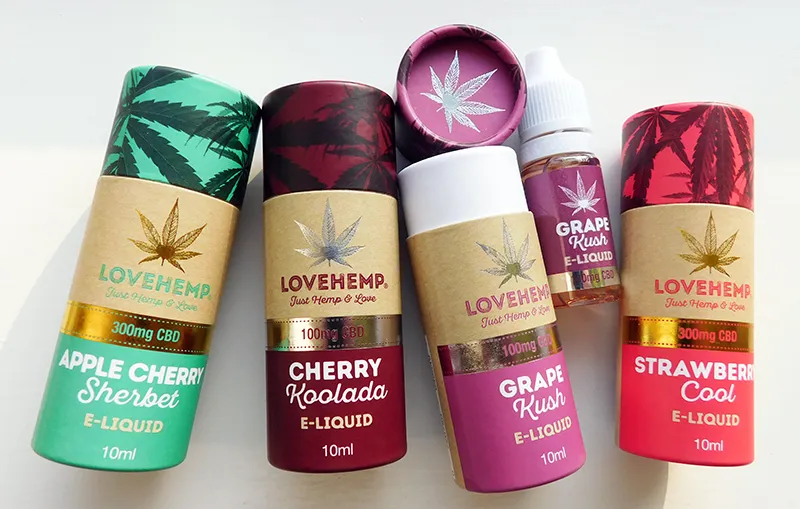
Photo: Ecig Click, CC BY-SA 2.0, via Wikimedia Commons
Twelve bottles, three kitchens
White-label manufacturing is not a scandal. It is how a lot of products get made, from cereal to skincare. But in UK CBD, where a 10ml bottle can cost £18 or £79, it is worth knowing when you are paying for a different oil and when you are paying for a different label.
For this test we bought 12 CBD oils from 12 UK-facing brands in October 2026. All were broad-spectrum or full-spectrum oils, all were 10ml bottles, and all sat in the 5% to 10% strength range. We kept the receipts, photographed the batch codes, checked the addresses on the labels and followed the supplier names that appeared on the paperwork or in the batch documentation we could obtain. We are not naming the brands here because some of the paperwork was partial and because the point is not to shame a co-packer. The point is to show what the price gap actually contains.
Three manufacturing addresses kept turning up. We will call them Kitchen A, Kitchen B and Kitchen C. Seven of the 12 bottles appeared to share a base oil, carrier or production line with at least one other bottle in the test. In four cases, the link was strong: same batch-code format, same supplier address, same fill-line paperwork. In three cases, it was probable but not certain. That is the honest limit of a shopper-level investigation.
What “same kitchen” does and does not mean
It does not mean the oils are identical. A white-label kitchen can run different strengths, different flavourings, different carrier oils and different testing packages for different clients. One brand might buy a 5% full-spectrum base and add a peppermint flavour; another might buy the same base at 10% and put it in amber glass with a dropper that costs three times as much.
It does mean the underlying cost of the liquid is often more similar than the shelf prices suggest. When we compared the apparent base oil in our sample, the cost per 10mg of CBD varied far more than the strength labels did. That is the bit worth zooming in on.
The price-per-10mg picture
To compare fairly, we used the label strength and bottle size to calculate cost per 10mg. This is the same maths we use across CBD Zoom: total price divided by total milligrams, then multiplied by 10. It is not a measure of quality. It is a measure of what you are paying for the CBD itself.
| Brand (anonymised) | Label strength | Bottle price | Cost per 10mg | Apparent kitchen link |
|---|---|---|---|---|
| Brand A | 10% / 1000mg | £54.99 | £0.55 | Kitchen A |
| Brand B | 10% / 1000mg | £34.00 | £0.34 | Kitchen A |
| Brand C | 10% / 1000mg | £72.00 | £0.72 | Kitchen A (probable) |
| Brand D | 5% / 500mg | £28.00 | £0.56 | Kitchen B |
| Brand E | 5% / 500mg | £19.99 | £0.40 | Kitchen B |
| Brand F | 5% / 500mg | £39.50 | £0.79 | Kitchen B (probable) |
| Brand G | 10% / 1000mg | £44.95 | £0.45 | Kitchen C |
| Brand H | 10% / 1000mg | £29.95 | £0.30 | Kitchen C |
| Brand I | 10% / 1000mg | £61.00 | £0.61 | Kitchen C (probable) |
| Brand J | 8% / 800mg | £36.00 | £0.45 | No clear link |
| Brand K | 6% / 600mg | £31.50 | £0.53 | No clear link |
| Brand L | 5% / 500mg | £22.00 | £0.44 | No clear link |
The spread is the story. Brand C charged £0.72 per 10mg for an oil that appeared to come from the same kitchen as Brand B at £0.34 per 10mg. Brand F charged nearly twice Brand E for a 5% oil with a probable link to the same production address. That does not prove the oils were the same. It does mean the extra money was not automatically buying more CBD.
So what does the extra money buy?
Sometimes plenty. Here is what we could actually verify across the sample.
Testing. Some brands published batch-specific lab reports with cannabinoid profiles and contaminant screens. Others published a generic report for the product line, or none at all. A fuller testing package costs money, and it is one of the better reasons to pay more.
Flavour and carrier. One of the Kitchen A oils tasted noticeably different from its stablemate. The label mentioned peppermint and a different carrier oil. That is a real product difference, even if the CBD base started in the same place.
Packaging and dose control. Glass weight, dropper quality and box design all cost something. A bottle that arrives with a cracked seal or a dropper that dribbles is a false economy, but a heavier bottle is not automatically a better oil.
Compliance work. Novel food registration, label checks and paperwork are not free. A brand that has done its FSA homework may have higher overheads than one that has not. That is worth paying for, though it is hard to see from the outside.
Support and returns. Some brands answered a dosing question in under an hour. Others took days. A few had returns policies that collapsed the moment the seal was broken. That is a service difference, not an oil difference.
The label test
If you want to do your own version of this, start with the batch code. It is usually printed or stamped near the base or on the back label. Then check the brand’s website for a batch-specific lab report. If the batch code on the bottle does not match the batch code on the report, ask why. A generic COA is better than nothing, but it does not tell you about the bottle in your hand.
Next, look at the address. A registered office in London is not the same as a manufacturing site in Yorkshire. That is fine — plenty of brands are honest about using a partner facility — but the label should not imply a kitchen that does not exist.
Finally, do the per-10mg maths before you decide whether the price is premium or just priced. A £70 bottle is not automatically better than a £30 bottle, and a £30 bottle is not automatically a bargain if the strength is low and the testing is thin.
The bottom line
White-label CBD is normal. Paying more for a bottle that came from the same kitchen as a cheaper one is not automatically foolish, either. You might be buying better testing, a flavour you actually like, a brand that answers emails, or packaging that survives the postman. But you should know which one you are buying.
Our sample suggests the UK CBD shelf still has a lot of price variation that has nothing to do with the amount of CBD in the bottle. Zoom in on the batch code, the lab report and the cost per 10mg. The label is the last thing you should trust, not the first.